Penglipuran Village, Bangli: A Well Preserved Balinese Traditional Village
Written By
Maria Febronia
Created
Apr 04, 2018
Last Update
Jan 28, 2026
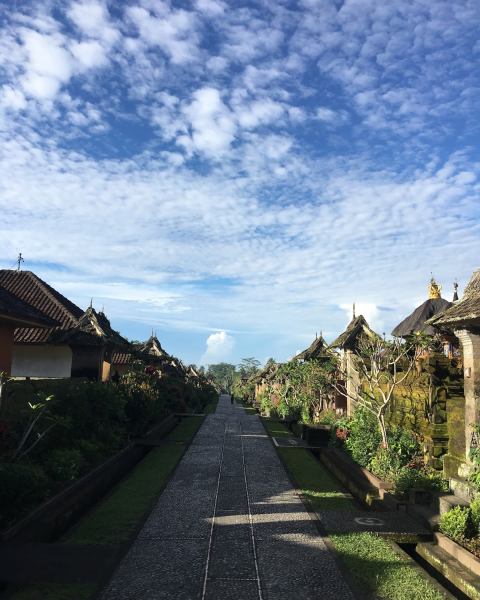
If you think Bali is only about sun, sand, and waves, then it is time to look deeper. One place that offers a different perspective is Penglipuran Village, also known as Desa Wisata Penglipuran. Located in Bangli, approximately 45 kilometers from Denpasar, Penglipuran Village is widely recognized as one of the best preserved traditional villages in Bali. Despite its popularity as a tourist destination, the village has successfully maintained its cultural essence while gently embracing modern influences.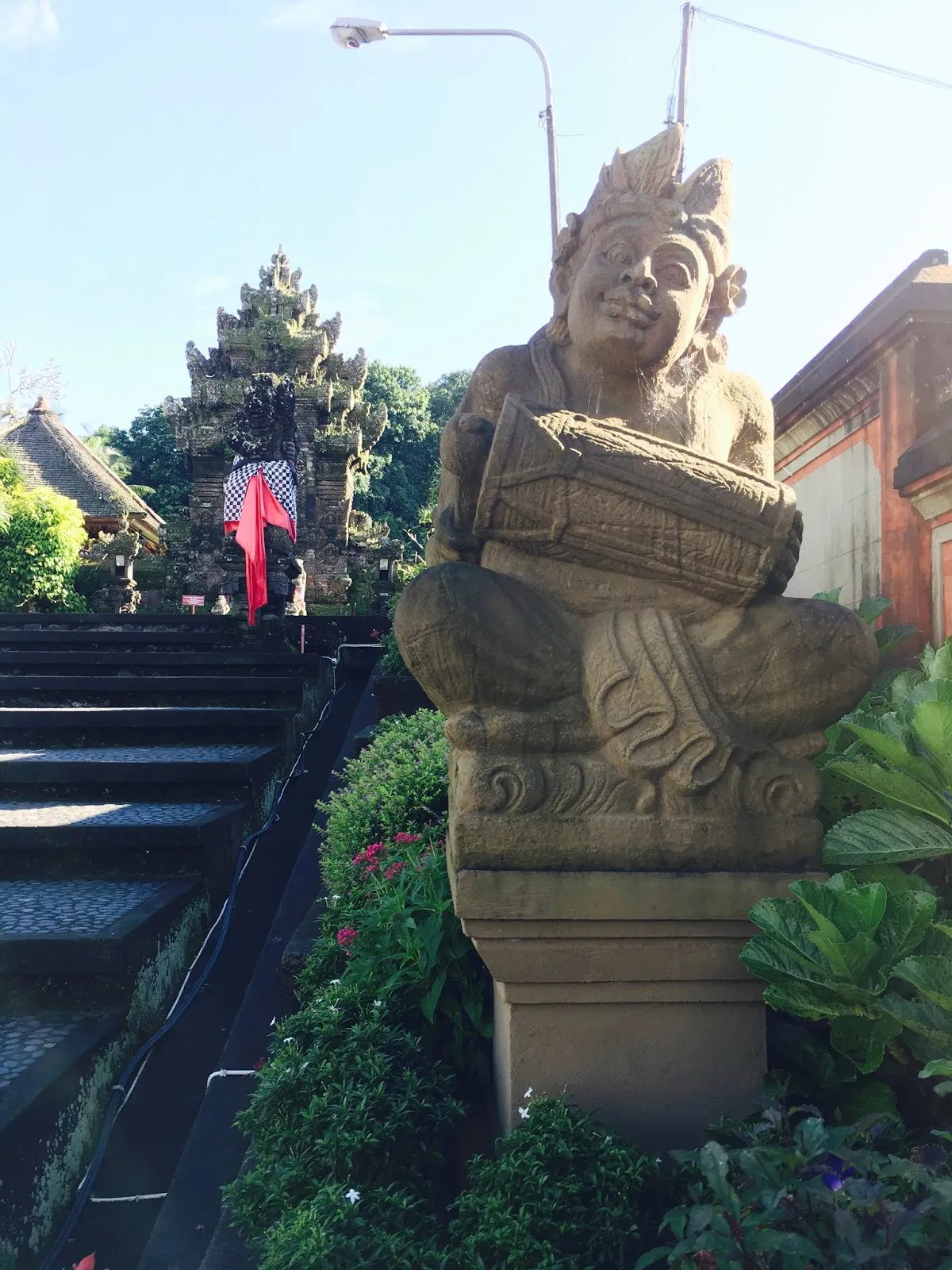
A Cool Highland Village Atmosphere
Penglipuran Village sits at an altitude of around 700 meters above sea level, giving it a noticeably cool and refreshing climate. The air feels cleaner, the pace slower, and the surrounding environment remarkably calm. This highland setting enhances the village’s peaceful character and makes it an ideal place to experience rural Bali away from crowded coastal areas. The name Penglipuran comes from the word Penglipur, which means entertainer or comforter. According to local history, during the era of Balinese kingdoms, this area was often visited by kings as a place of retreat. Surrounded by nature, Penglipuran was believed to offer peace, clarity, and inspiration, especially during times of difficulty.
Traditional Architecture and Village Layout
Upon entering the village, visitors are immediately welcomed by beautifully crafted Balinese entrance gates. These gates lead into a long, straight pathway lined with traditional houses that appear strikingly uniform. The village layout follows strict traditional rules. Residential buildings are arranged with similar form, size, and function, creating a strong sense of harmony and order. The only structure allowed to vary in form is the family bedroom, which gives each household a small personal expression within the shared design.
Sacred Spaces and Daily Functions
Each family compound includes several important structures with clear spiritual and practical purposes. The family temple is always positioned facing Mount Agung, reflecting the sacred orientation central to Balinese Hindu belief.
The kitchen is typically located uphill from the main yard, while the Bale Saka Enem, a six pillar pavilion, serves as a space for ceremonies and communal activities. Behind the residential area lies the Teba, a multifunctional backyard used for raising livestock and growing vegetables in non irrigated dry fields.
A Village Built with Bamboo and Balance
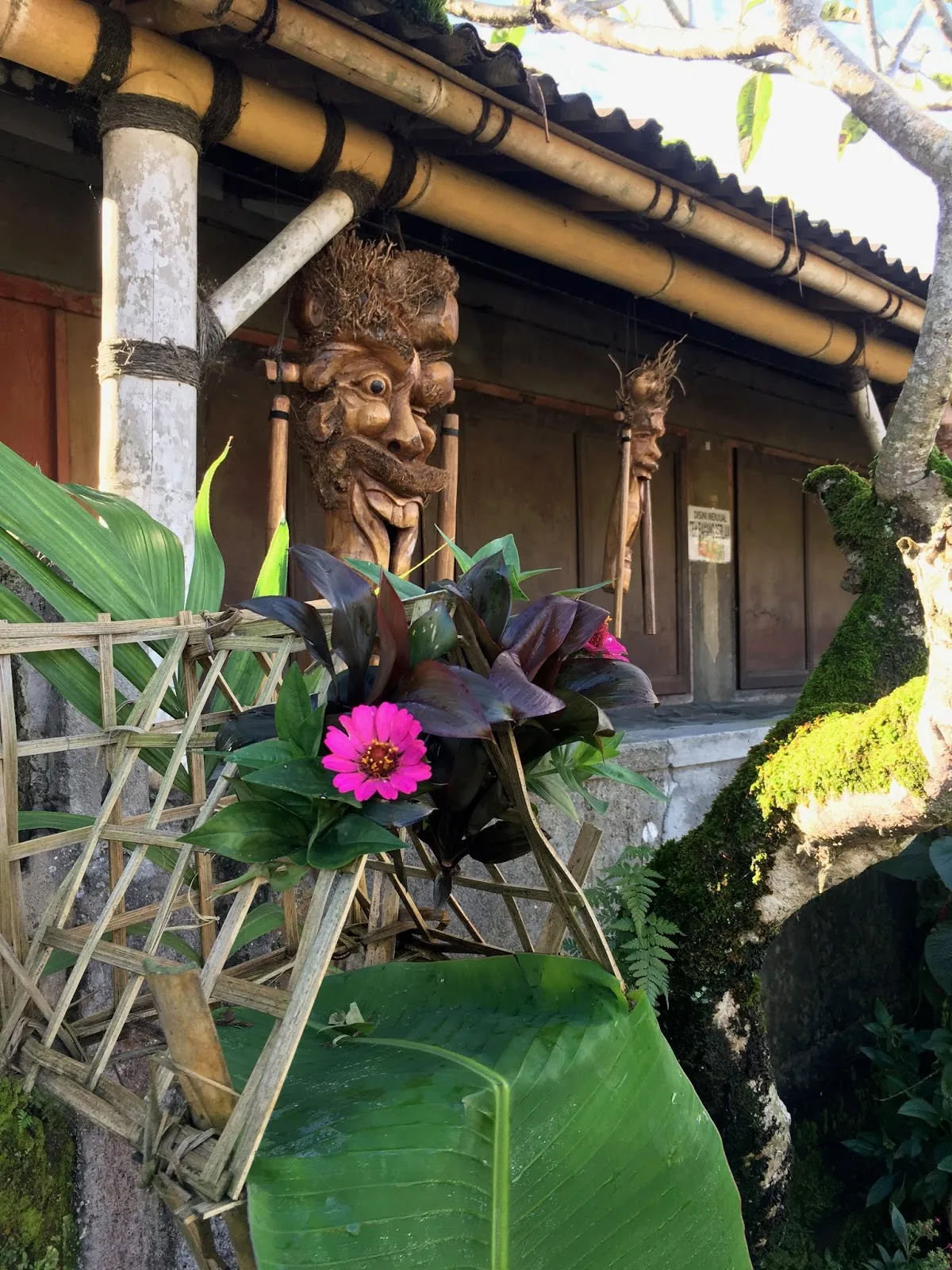
Most buildings in Penglipuran Village are constructed from natural materials. Bamboo dominates the architectural style, as the surrounding area is known as a bamboo producing region. This sustainable use of local resources reflects the villagers’ close relationship with nature.
Wood is commonly used for supporting structures, while bamboo provides walls, roofs, and decorative elements. The result is a village that feels organic, balanced, and deeply connected to its environment.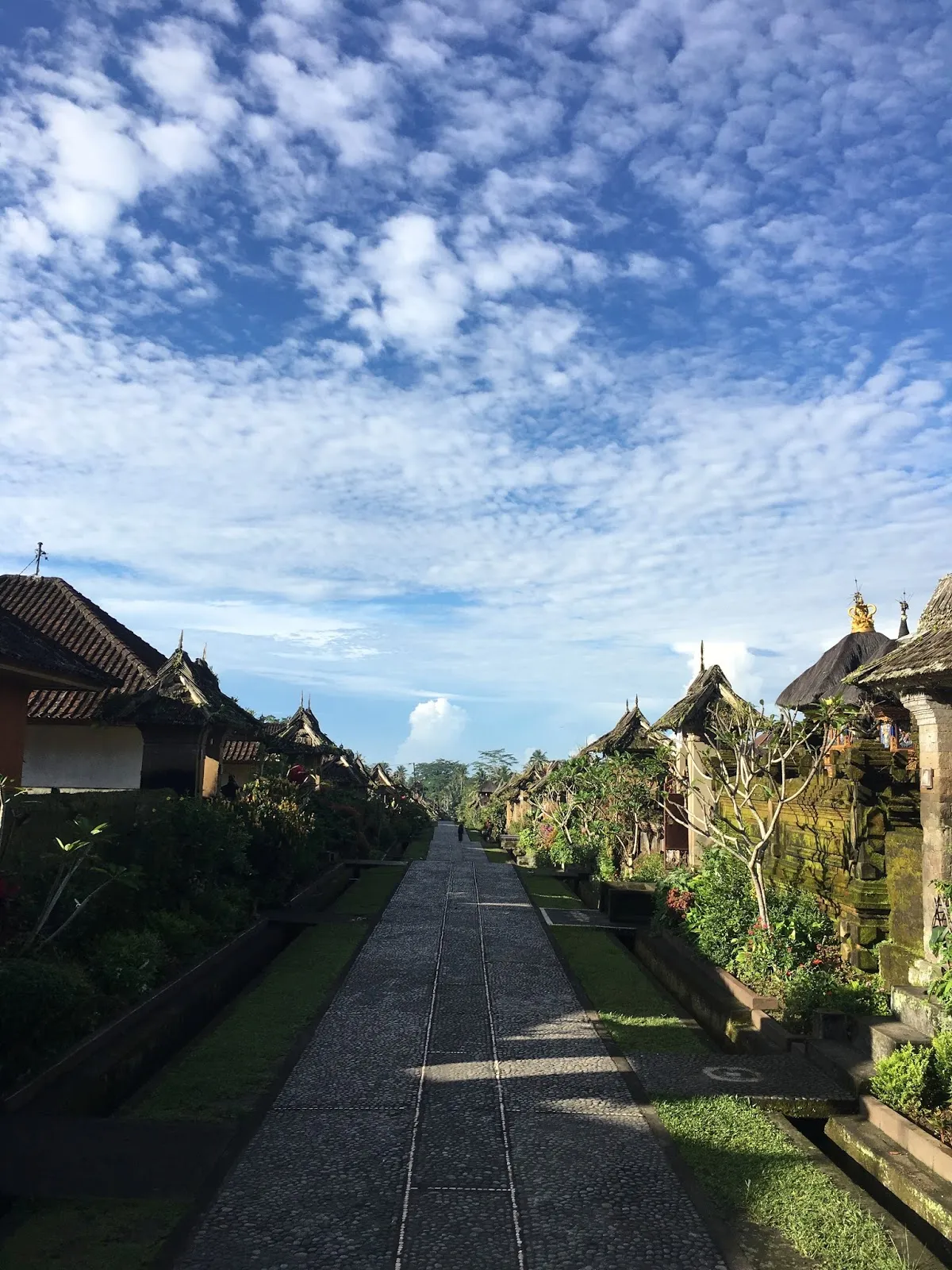
Why Penglipuran Village Is Worth Visiting
Penglipuran Village offers more than visual beauty. It represents how tradition, community, and environment can coexist in harmony. Walking through the village is not just a sightseeing experience, but a lesson in balance, discipline, and cultural continuity. For travelers seeking a deeper understanding of Bali beyond beaches and nightlife, Penglipuran Village is a quiet reminder that the island’s true richness lies in its people, traditions, and way of life.